

A Victory for Astronomy: Industrial Plant Threatening Earth’s Darkest Sky Cancelled

Title: A Victory for Astronomy: Industrial Plant Threatening Earth’s Darkest Sky Cancelled

A sigh of relief has echoed through the global astronomy community with the recent cancellation of a green hydrogen plant project that threatened to dramatically increase light pollution in one of the world’s crucial astronomical observation areas.

The company behind the project, which has remained anonymous, had plans to construct an industrial plant near the site of a significant astronomical observatory. The proposed plant’s operations would have generated a significant light pollution, seriously compromising the efficacy of the observatory.

Light pollution, the excessive or misdirected artificial light produced by human activity, is a critical concern for astronomers. It not only impedes the ability to observe celestial bodies but also disrupts ecosystems and has adverse health effects. In the context of astronomy, light pollution washes out starlight and interferes with telescopic observations.

The area under threat is known for its remarkably dark skies, making it a prime location for astronomical observations. The observatory located here is a beacon of scientific research, contributing to our understanding of the universe. It is one of the few places left on Earth where the skies are still dark enough for astronomers to conduct detailed studies of celestial bodies.

Upon the announcement of the plant’s cancellation, astronomers worldwide breathed a sigh of relief. The potential light pollution from the plant would have been a significant blow to the field. The loss of this observation area could have set back numerous ongoing research projects and hindered future astronomical discoveries.

The decision to scrap the project highlights the ongoing tension between industrial development and the preservation of scientific resources. While green hydrogen plants are part of a broader strategy to move towards sustainable energy, their placement needs careful consideration to avoid negatively impacting valuable scientific research areas.

Astronomers and environmentalists hope that this incident will encourage more companies to consider the broader impact of their projects, not just the immediate economic gain. The cancellation of this project is seen as a victory for the preservation of dark skies and the continuation of astronomical research.

Maintaining dark skies is vital for our understanding of the universe. As we continue to brighten the night sky with artificial light, we risk losing our connection with the cosmos. This incident serves as a reminder of the importance of preserving our dark skies, not just for astronomers but for all who value the beauty and wonder of the night sky.

For more on this story, follow the link below:

Read more from the original source here: [https://www.space.com/astronomy/astronomers-relieved-as-industrial-plant-threatening-earths-darkest-sky-gets-cancelled](https://www.space.com/astronomy/astronomers-relieved-as-industrial-plant-threatening-earths-darkest-sky-gets-cancelled).

From Jupiter to Mercury: The Brightest Planets of February 2026 Light Up the Night Sky

Title: From Jupiter to Mercury: The Brightest Planets of February 2026 Light Up the Night Sky

In February 2026, the celestial stage is set for a grand spectacle as Jupiter and Mercury, along with other planets, take their places in one of the year’s most impressive planetary lineups. From the majestic Jupiter shining brightly high in the evening sky to the elusive Mercury glinting low at sunset, February 2026 promises to be a stargazer’s delight.

The cosmic ballet begins with Jupiter, the largest planet in our solar system. This gas giant has been a prominent figure in the night sky since ancient times, its dazzling brilliance capturing the attention of astronomers and laymen alike. In February 2026, Jupiter will be in prime position for viewing, high in the evening sky and radiating a steady, intense light that outshines all other celestial bodies, save for Venus and our Moon.

But the celestial show doesn’t end with Jupiter. As the evening progresses, spectators should direct their gaze towards the horizon to catch a glimpse of the elusive Mercury. Known as the ‘elusive planet’ due to its proximity to the Sun and its resulting difficult visibility from Earth, Mercury will be making a rare appearance in February, low on the horizon at sunset. Despite its small size and lowly position, Mercury’s brightness is not to be underestimated. The tiny planet will be shining with a stark brilliance that belies its diminutive size.

While Jupiter and Mercury are undoubtedly the stars of the February sky, they’re not the only celestial bodies worth noting. The month will also offer excellent views of Mars, Saturn, and Venus. Mars, the red planet, will be visible in the early evening, adding a warm, reddish hue to the twilight sky. Saturn, the ringed giant, will make its appearance later in the night, its subtle, yellowish light providing a gentle contrast to the brighter planets. Venus, the ‘evening star,’ will be a prominent fixture in the western sky after sunset, its dazzling brightness second only to the Moon.

It’s not every year that we get such a fantastic lineup of planets to observe, so astronomy enthusiasts and casual stargazers alike should make the most of this opportunity. So, dust off those telescopes or just lay back and enjoy the view. The February 2026 night sky is set to be a truly spectacular sight.

The beauty of the universe is in its constant change, and the night sky is no exception. From the brightest planets to the most distant stars, each night offers a unique and stunning view of our cosmos. This February, Jupiter and Mercury lead a celestial parade that promises to be one for the record books. So get outside, look up, and lose yourself in the grandeur of the night sky. The cosmos is waiting.

Read more from the original source here: [https://www.space.com/stargazing/brightest-planets-february-2026-night-sky]

Space News – February 01, 2026

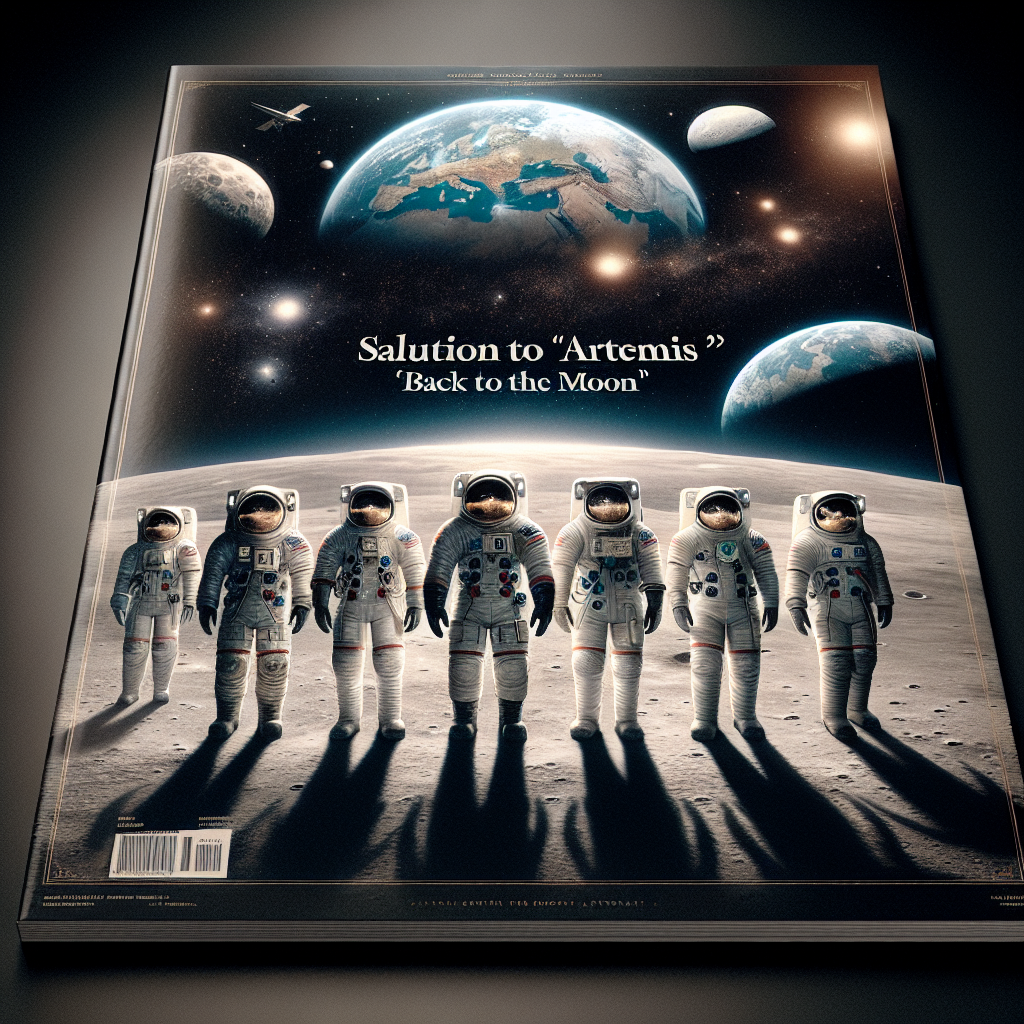
As the world eagerly anticipates the first crewed lunar mission in over half a century, Time magazine has rolled out the red carpet with a special commemorative cover issue honoring the Artemis 2 astronauts. Aptly titled “Back to the Moon”, the issue hit newsstands on January 30 and is a testament to humanity’s unyielding spirit of exploration and discovery.

Pioneering a new era of lunar exploration, the Artemis 2 mission, spearheaded by NASA, aims to return humans to the Moon by 2024. This mission is not just a sequel to the legendary Apollo missions, but a stepping stone for future manned missions to Mars and beyond.

Time’s cover features a striking image of the Artemis 2 crew, capturing the essence of their courage and determination. This special issue is not just a tribute to the astronauts, but also an educational resource, offering deep insights into the mission’s objectives, the technology involved, and the potential implications for future space exploration.

The Artemis 2 mission is making history in more ways than one. It will be the first mission to send a woman to the moon, breaking gender barriers and setting a precedent for future space exploration. This momentous event is celebrated within the pages of Time magazine, highlighting the critical role of women in the new era of space exploration.

The “Back to the Moon” issue also features exclusive interviews with the astronauts, giving readers a rare chance to understand their thoughts, fears, and aspirations as they prepare for this monumental journey. From discussing the rigorous training to expressing their hopes for the future of space exploration, the astronauts open up about the legacy they hope to leave behind.

In addition to the astronauts’ narratives, Time magazine dives into the technical aspects of the mission. Detailed features explore the state-of-the-art spacecraft, the Orion, and the powerful Space Launch System rocket, which will carry the crew to the moon. The magazine also delves into the logistical challenges of the mission, providing readers with a comprehensive understanding of the complexities involved in lunar travel.

Another highlight of the issue is a feature on the Artemis Base Camp, the planned long-term habitation zone on the lunar surface. This aspect of the mission is crucial for future space exploration, as it will pave the way for sustainable human presence on the moon, and eventually, on Mars.

Time’s “Back to the Moon” issue is not just a commemoration of the upcoming Artemis 2 mission. It’s a celebration of the human spirit, of our relentless drive to explore the unknown and push the boundaries of our knowledge and capabilities. As we stand on the brink of a new era in space exploration, this special issue serves as a reminder of how far we’ve come and the exciting possibilities that lie ahead.

As the world waits with bated breath for the Artemis 2 mission to take flight, Time’s special issue is a must-read for anyone interested in the future of space exploration. It’s a salute to the brave astronauts who are about to embark on this historic journey and a testament to humanity’s unquenchable thirst for discovery.

Read more from the original source here: https://www.space.com/entertainment/back-to-the-moon-time-magazine-salutes-artemis-2-astronauts-in-special-commemorative-cover-issue.