
‘The Arrival’ at 30: Rediscovering Charlie Sheen’s Underappreciated Extraterrestrial Thriller Amid Modern Day Fears

Title: ‘The Arrival’ at 30: Rediscovering Charlie Sheen’s Underappreciated Extraterrestrial Thriller Amid Modern Day Fears

Three decades have passed since the release of ‘The Arrival,’ a criminally underrated alien invasion thriller starring Charlie Sheen, and it seems the film’s chilling narrative has only become more relevant and terrifying in today’s context. In the film, Sheen’s character, Zane Zaminski, utters a haunting line that resonates strongly amidst the ongoing environmental crisis: “If you can’t tend to your own planet, none of you deserve to live here.”

‘The Arrival,’ directed by David Twohy, was released in 1996, a time when alien-themed films were a major Hollywood trend. However, unlike its contemporaries, ‘The Arrival’ did not rely on grandiose spectacle and extraterrestrial warfare. Instead, it utilized a subtle, slow-burning narrative that explored themes of environmental destruction and humanity’s responsibility towards Earth – themes that have gained immense significance in today’s climate-conscious society.

Sheen’s character, an astrophysicist who stumbles upon an alien invasion plot while investigating mysterious radio signals, discovers a sinister plan to escalate global warming to render Earth inhabitable for the invaders. The film, with its underlying environmental message, was ahead of its time, but its cautionary tale is eerily relevant today as we grapple with the reality of climate change.

Despite delivering a memorable performance, Sheen’s role in ‘The Arrival’ often gets overshadowed by his later, more controversial public persona. However, revisiting the film allows us to appreciate Sheen’s gripping portrayal of Zaminski – a man caught in a conspiracy far greater than he ever anticipated, and in his desperate efforts, he becomes a reluctant hero for humanity.

The film’s distinct narrative style, coupled with Sheen’s compelling performance, makes ‘The Arrival’ a unique entry in the realm of alien invasion thrillers. However, it’s the film’s chillingly prophetic environmental message that gives it a renewed sense of importance and fear factor in our present era. As we continue to face the harsh realities of climate change and environmental degradation, ‘The Arrival’ serves as a stark reminder of the consequences of neglecting our planet.

While ‘The Arrival’ may not have received the acclaim it deserved during its initial release, its relevance today is hard to overlook. Whether you’re a fan of science fiction, a space exploration enthusiast, or someone deeply concerned about our planet’s future, ‘The Arrival’ offers a thrilling cinematic experience that is sure to leave a lasting impression.

As we celebrate the 30th anniversary of ‘The Arrival,’ perhaps it’s time we not only appreciate this cinematic gem for its contribution to the genre but also heed the warning it so presciently delivered three decades ago. After all, space exploration and the search for extraterrestrial life are exciting frontiers, but they should never distract us from tending to our own planet.

Read more from the original source here: [https://www.space.com/entertainment/space-movies-shows/the-arrival-at-30-charlie-sheens-criminally-underrated-alien-invasion-thriller-feels-even-scarier-today](https://www.space.com/entertainment/space-movies-shows/the-arrival-at-30-charlie-sheens-criminally-underrated-alien-invasion-thriller-feels-even-scarier-today)
Blue Origin’s New Glenn Rocket Loss Dominates This Week In Space Podcast

Title: Blue Origin’s New Glenn Rocket Loss Dominates This Week In Space Podcast

In the latest episode of This Week In Space, co-hosts Rod Pyle and Tariq Malik found themselves grappling with the unexpected loss of Blue Origin’s New Glenn rocket. They were joined by Space.com’s senior writer Mike Wall, who provided an insightful analysis of the event that has sent ripples through the global space community.

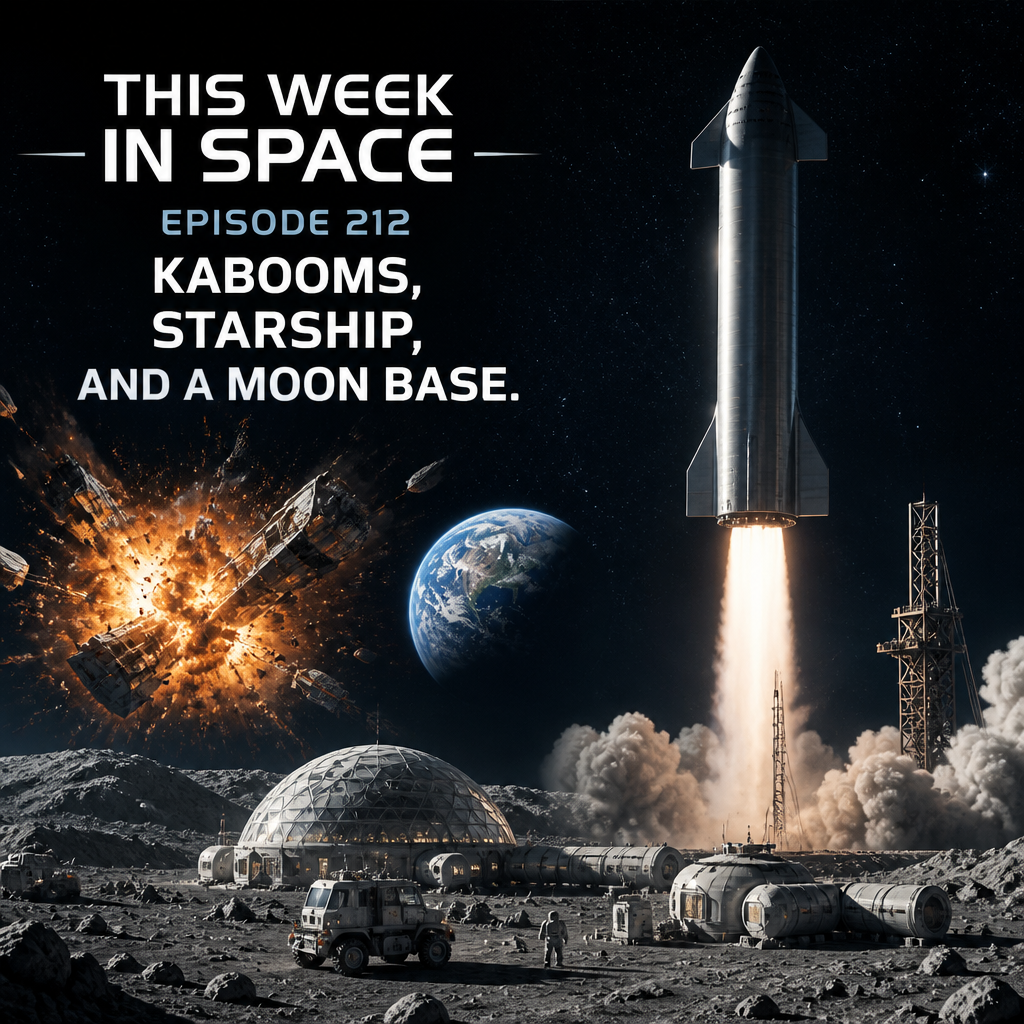
Episode 212 titled “Kabooms, Starship, and a Moon Base” began with a somber tone as the trio turned their attention to the unfortunate loss of Blue Origin’s New Glenn rocket, a major setback for Jeff Bezos’s aerospace company. The New Glenn, named in honor of astronaut John Glenn, was designed to be a reusable heavy-lift launch vehicle, positioned to be a game-changer in the company’s bid to commercialize space travel.

The conversation quickly moved to the potential implications of this loss on the future of Blue Origin and the commercial space race. Rod Pyle, a renowned space historian and author, underlined the financial and reputational blow to Blue Origin. Tariq Malik, managing editor at Space.com, echoed Pyle’s sentiments but also highlighted the resilience of space corporations in bouncing back from such setbacks.

Mike Wall, a senior writer at Space.com, further delved into the technical aspects of the rocket’s loss. Wall’s analysis brought to light the complexities and challenges inherent in rocket science and space exploration. Despite the New Glenn setback, he emphasized that failures often pave the way for significant advancements in space technology.

After the engaging discussion on Blue Origin, the hosts moved on to other exciting developments in the realm of space exploration. They discussed SpaceX’s Starship, Elon Musk’s ambitious project aiming to make life multiplanetary. The trio also talked about the prospects of establishing a moon base, an idea that has gained traction in recent years.

The hosts ended the episode on an optimistic note, stressing that despite setbacks like the New Glenn, the future of space exploration remains bright. They pointed out that the space race is marked by both triumphs and failures, each playing their part in propelling humanity closer to the stars.

This Week In Space podcast continues to be the go-to place for space enthusiasts and laymen alike, offering clear, comprehensive, and engaging discussions on the latest in space exploration. The blend of expert analysis, historical context, and an easy-to-understand approach makes it a must-listen for anyone interested in the future of space travel.

To listen to Episode 212 — “Kabooms, Starship, and a Moon Base” of This Week In Space, and for more intriguing insights into the world of space exploration, visit the original source [here](https://www.space.com/entertainment/space-movies-shows/this-week-in-space-podcast-episode-212-kabooms-starship-and-a-moon-base).

The Night Sky Lights Up: Atlas V Rocket to Launch Amazon Leo Internet Satellites

Title: The Night Sky Lights Up: Atlas V Rocket to Launch Amazon Leo Internet Satellites

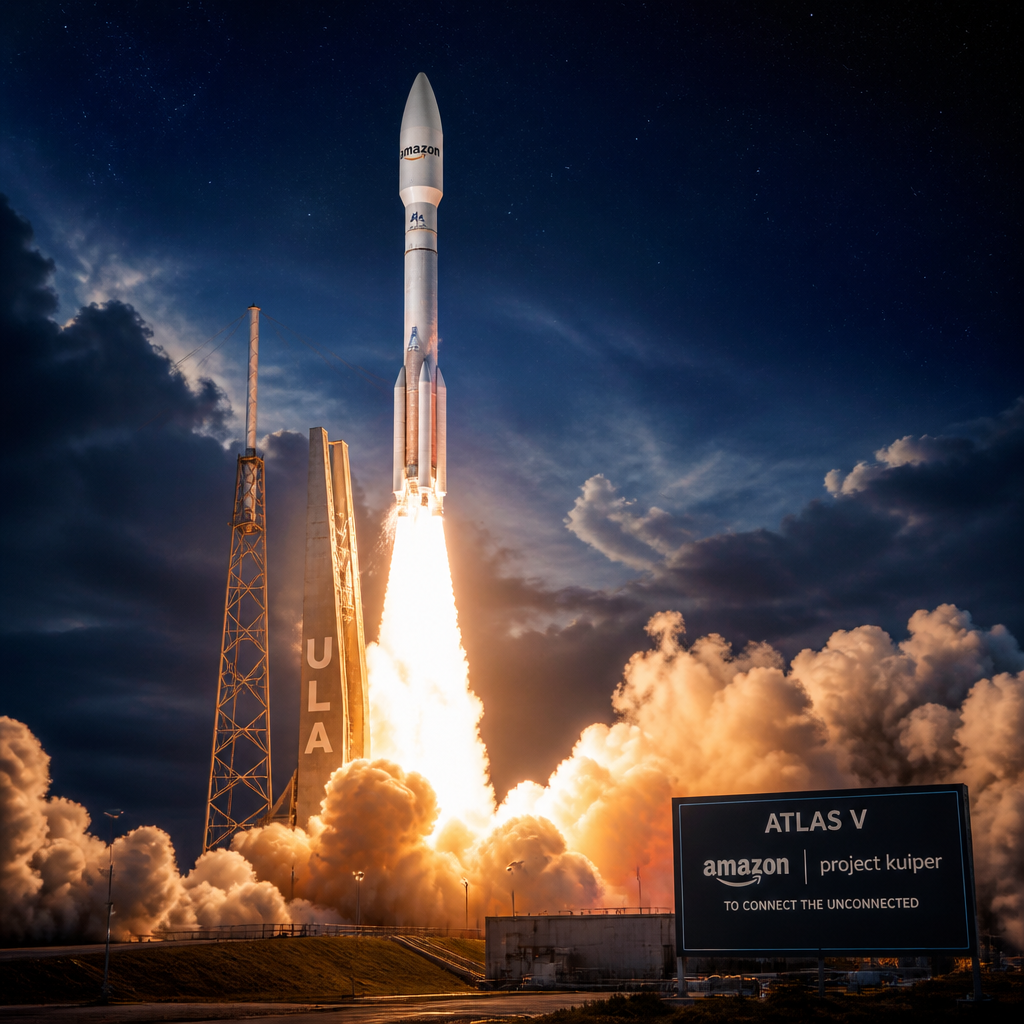
Tonight, the sky is set to light up as a United Launch Alliance (ULA) Atlas V rocket takes flight, carrying 29 Amazon Leo internet satellites into orbit. The launch, scheduled for Friday night, May 28th, marks another significant step in space exploration and the growing industry of satellite internet services.

The Atlas V rocket, a stalwart of U.S. space missions, is a reliable powerhouse known for its precision and durability. Having successfully launched more than 80 missions since its inaugural flight in 2002, the Atlas V has become a symbol of U.S. space exploration and technological advancements.

Tonight’s payload, the 29 Amazon Leo internet satellites, are part of Amazon’s Project Kuiper. This initiative aims to provide high-speed, low-latency internet services to people around the globe, particularly in underserved areas. By deploying thousands of small satellites into low Earth orbit (LEO), Amazon hopes to revolutionize internet connectivity, making it more accessible and affordable.

The launch tonight is a testament to the growing collaboration between private companies and space exploration agencies. Amazon’s Project Kuiper has already received federal approval to deploy over 3,000 satellites, and tonight’s 29 are just the beginning.

While satellite internet isn’t a new concept, the scale at which companies like Amazon are approaching it is unprecedented. It’s a race to connect the world, and tonight, 29 more runners will take their places on the starting line.

The launch is set to take place at Cape Canaveral Space Launch Complex in Florida. The Atlas V rocket will roar into the night sky, a fiery beacon against the backdrop of the stars, as it carries its precious cargo towards their new home in the orbit.

For those interested in witnessing this spectacular event, the launch will be broadcast live. Whether you’re an avid space enthusiast or just someone intrigued by the wonders of the universe, don’t miss this opportunity to watch a piece of history unfold.

As the Atlas V rocket propels the Amazon Leo satellites into space, it symbolizes not just a significant moment in space exploration, but also a new era of global connectivity. These satellites will orbit our planet, invisible threads weaving a web of connectivity that will bring the world closer together.

In a world where the internet has become a fundamental part of our daily lives, initiatives like Amazon’s Project Kuiper and tonight’s launch of the Amazon Leo satellites hold immense significance. They not only represent technological advancements, but also a future where high-speed internet is accessible to everyone, everywhere.

So tonight, as you gaze up at the night sky and witness the Atlas V rocket streaking across the stars, remember that you’re not just watching a launch – you’re watching the future take flight.

Read more from the original source here: https://www.space.com/space-exploration/launches-spacecraft/ula-atlas-v-rocket-launch-amazon-leo-7-internet-satellites.